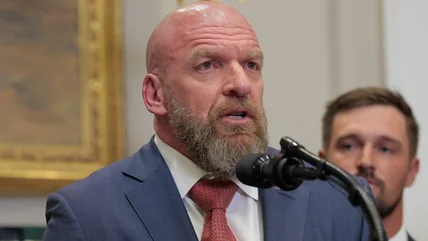
Triple H Unveils WWE Night Of Champions 2026 Poster, Announces Official Start Time
Triple H has revealed the WWE Night of Champions 2026 poster, as well as the special start time for the event in Saudi Arabia.
Read More

Triple H has revealed the WWE Night of Champions 2026 poster, as well as the special start time for the event in Saudi Arabia.
Read More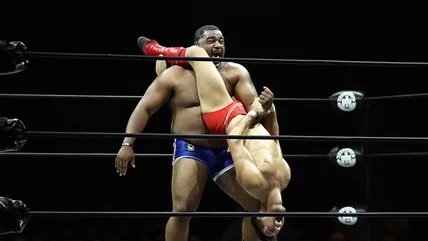
A backstage report on the extended absence of AEW star Keith Lee reveals there had been discussions about bring Lee back to television months ago
Read More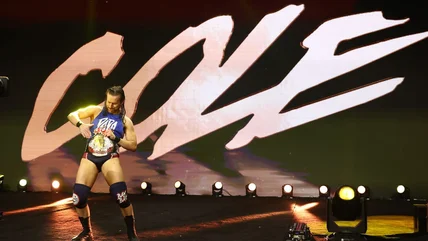
Adam Cole was last seen in AEW when he tearfully relinquished the TNT Championship at ALL IN Texas last July due to a concussion.
Read More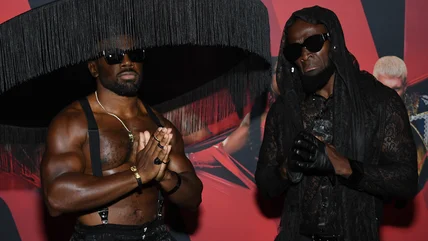
The Young Bucks have thrown fuel on the fire of The New Day's potential AEW arrival following a recent livestream.
Read More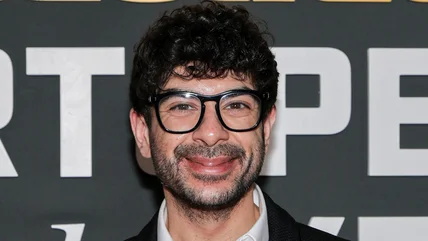
The first three years of AEW Dynamite have now been added to Tubi, meaning AEW content is now on the same streaming service as several WWE shows
Read More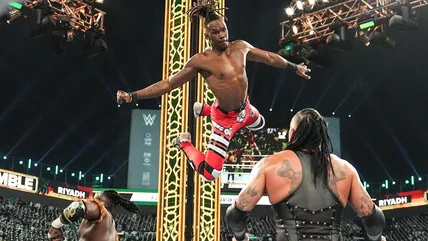
On WWE Raw, Je'Von Evans took advantage of shenanigans to advance in the King of the Ring tournament.
Read More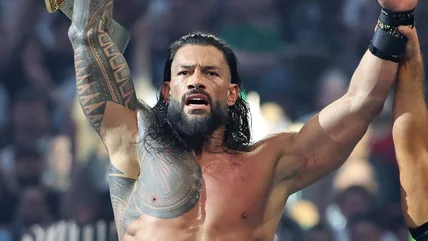
An Anoa'i family member, and well known indie star has reportedly been spotted at the WWE Performance Center as rumors swirl that WWE is interested in him
Read More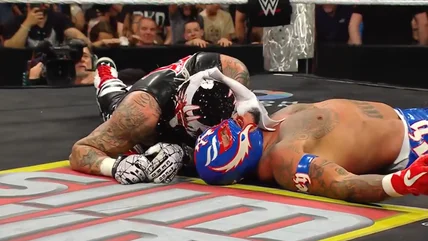
Penta defeated Rey Mysterio to retain the Intercontinental Championship during "WWE Raw."
Read More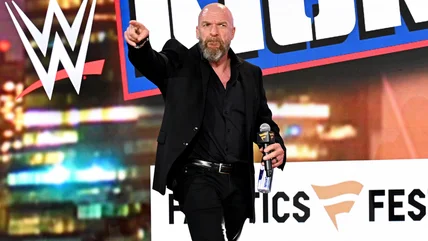
WWE announced on Monday that MITB is being pushed back one month and Sunday Night's Main Event will take its place.
Read More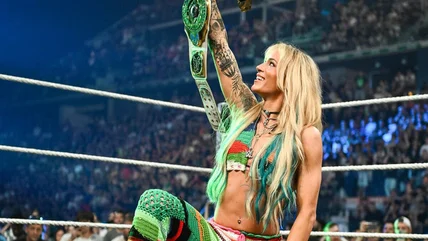
Sol Ruca won her first defense with the Women's Intercontinental Championship with a successful victory over Lyra Valkyria on "WWE Raw."
Read More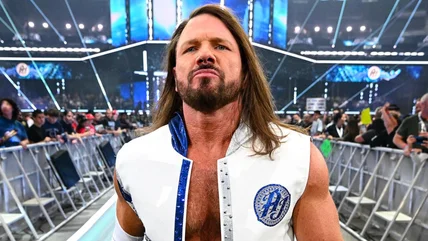
AJ Styles believes that WWE and TKO should be credited for the positive moves they've made in addition to the criticism they receive for the negatives.
Read More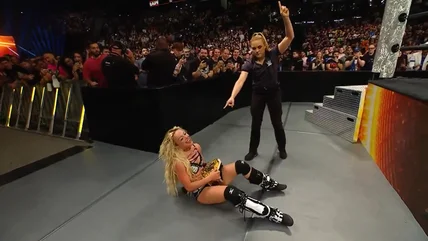
Liv Morgan won the third of four four-ways to determine semi-finalists in the Queen of the Ring tournament during "WWE Raw."
Read More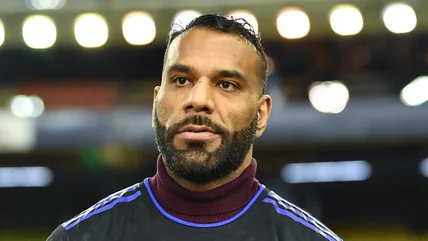
Raj Dhesi, aka Jinder Mahal, reveals what it would take for him to return to WWE a third time, even though he's content with where his career is now
Read More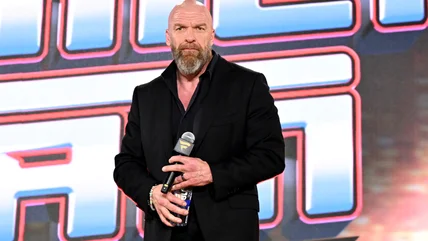
Spoilers for the King and Queen of the Ring four-way matches, as well as other big title bouts on "WWE Raw" were revealed ahead of the show on Monday.
Read More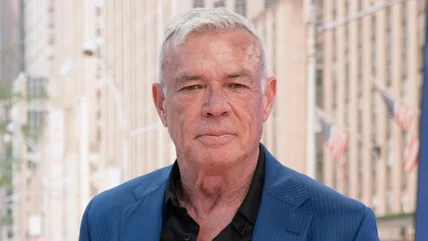
Eric Bischoff airs his frustrations with the feud between Brock Lesnar and Oba Femi.
Read More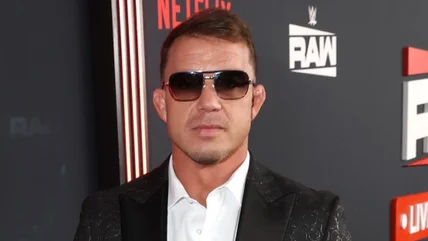
WWE's Chad Gable releases a new recovery video detailing how he got injured, and why he was surprised when he learned the severity of it later in 2025
Read More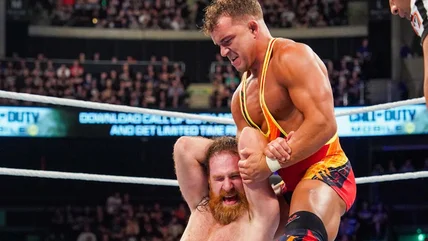
Eric Bischoff said on an episode of "83 Weeks" that WWE's Chad Gable has been "sniffing around" Real American Freestyle.
Read More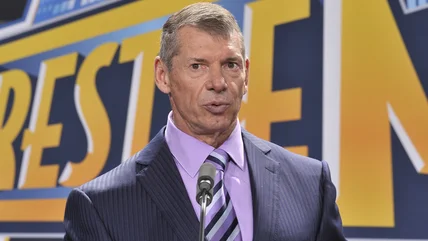
The WWE Shareholder lawsuit was scheduled to begin today, but a settlement was made over the weekend. The settlement has to be approved by the court.
Read More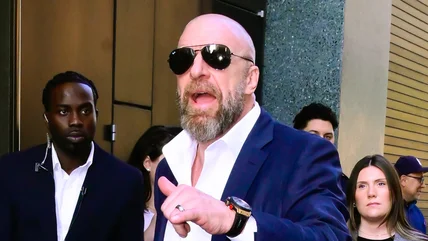
An American flag at WWE headquarters in Stamford, Connecticut caused a significant power outage in the area after a storm blew the flag into power lines
Read More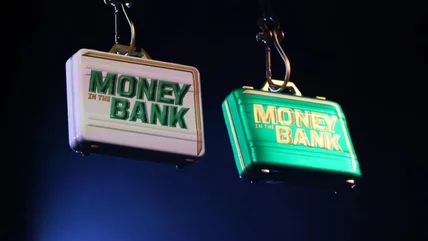
WWE fans in New Orleans need to rearrange their calendars as WWE Money in the Bank 2026 has a new date.
Read More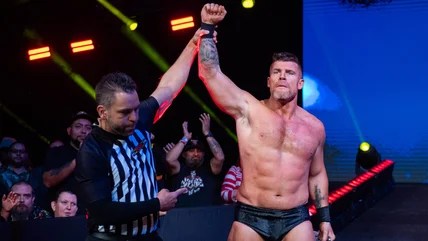
On Sunday, TNA Wrestling announced that Steve Maclin had been granted his release after five years with the company.
Read More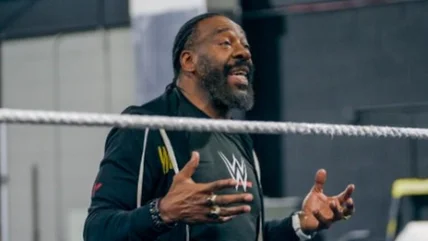
Booker T has discussed how a title match at WWE Clash in Italy would have been better -- and smoother -- if the two stars had worked a few house show matches.
Read More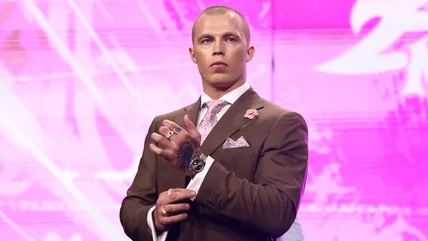
AEW star Skye Blue joked that her boyfriend, former TNT Champion Kyle Fletcher, is more of the "diva" when it comes to traveling.
Read More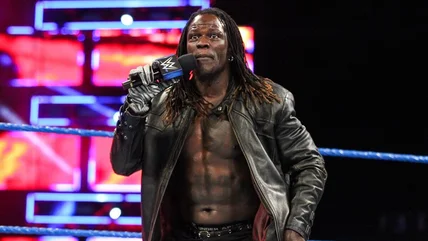
WWE's R-Truth credits getting to know Jackie Crockett in a halfway house for his pro wrestling career.
Read More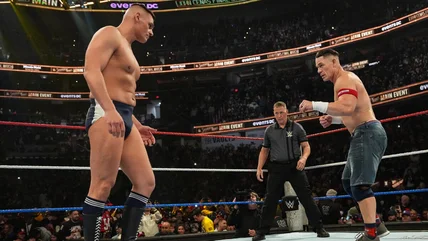
GUNTHER has discussed his mindset heading into his match against John Cena and why Cena's final match at Saturday Night's Main Event was so satisfying for him.
Read More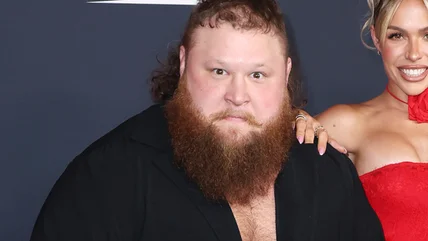
WWE star Lash Legend looks back on her impressive bodyslam to former Raw Tag Team Champion Otis during their mixed tag match in "NXT."
Read More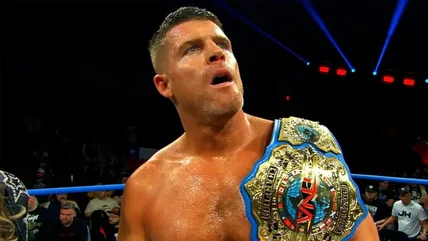
Steve Maclin has been granted his release from TNA Wrestling, and details on why he left the company have reportedly been revealed.
Read More