

Eric Bischoff Explains Why He Was Against Using Managers In WCW
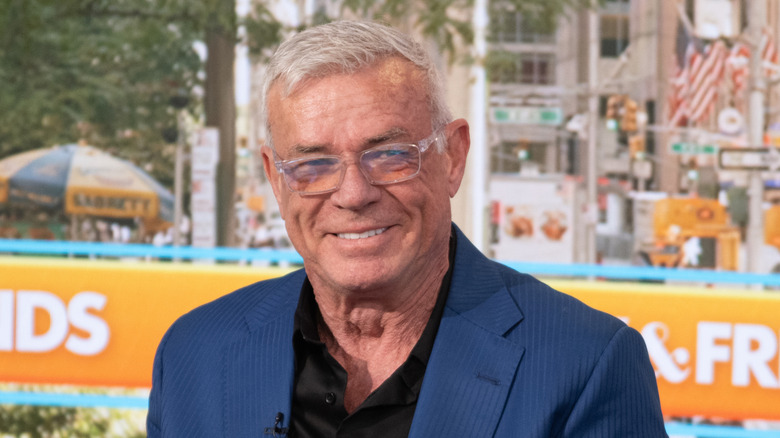
When Eric Bischoff first gained executive power in WCW during the early 90s, among his first objectives was to cut costs within the promotion in order to save money. And on the talent side of things, Bischoff focused on getting rid of tag teams and managers. On a recent episode of "83 Weeks," Bischoff explained why he targeted those two sets of talents, particularly explaining why he didn't have much use for managers even beyond cost cutting measures.
"I was thinning them out," Bischoff said. "I wasn't trying to come up with ways to utilize them, I was trying to come up with ways to stop utilizing them, because there's no money in them for the most part. Paul Heyman is 'Alright, we're going to put him off to the side. That's a different thing.' But for the most part, managers serve a role in that they speak for the talent.
"I'm not interested in talent, trying to build talent that can't speak for themselves. It's such an important part of it. I mean, to me, at that time, if you didn't have the ability to, not that you had to cut a great promo right away, but if you didn't have something that indicated to me that at least the potential was there, if we worked on it, there was no reason to invest much in that performer."
Despite his stance on managers early in his WCW tenure, Bischoff would later use certain performers in the role as WCW began to increase and popularity, including Bischoff's friend Sonny Onoo and WWE Hall of Famers Sherri Martel and Ted Dibiase. Ironically enough, Bischoff would also become a manager of sorts when he turned heel in 1996 and became a member of the New World Order.
If you use any of the quotes in this article, please credit "83 Weeks" and provide a h/t to Wrestling Inc. for the transcription