
What These Famous 70s Wrestlers Are Doing Today
Though members of the industry likely weren't aware at the time, the 1970s proved to be the final decade dominated by the territory system in pro wrestling. Compared to the mainstream attention wrestling received in the early days of the territories, the '70s saw a decline in its popularity, allowing for Vince McMahon and his World Wrestling Federation to effectively end the system altogether in the decade that followed.
Because of how the territory system was set up, most wrestlers at the time were able to become regional stars at best. Still, there were some who were able to break through into more national (or even worldwide) popularity, traveling from promotion to promotion and building a following as they went.
Alas, with the decade now 45 years in the rearview mirror, many of the era's biggest stars have passed on. Towering figures like Andre the Giant, Bruno Sammartino, and Dusty Rhodes are no longer with us. Thankfully, some of their contemporaries are still here and able to witness the long-lasting ramifications their careers had on the pro wrestling industry.
Ric Flair
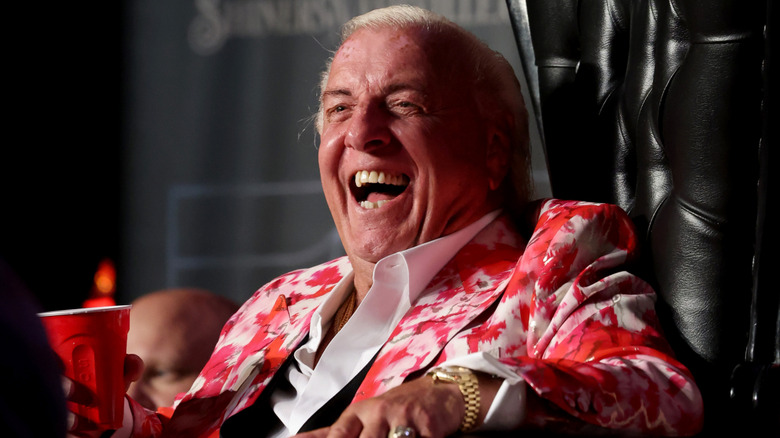
After making his debut in 1972 for Verne Gagne's American Wrestling Association, it took just a few years for Ric Flair to progress to the top of the industry. Only looking at his 1970s output, Flair would go on to become associated with Jim Crockett Promotions, as well as his stints in All Japan Pro-Wrestling. In the decades that would follow, he'd become an even bigger star.
These days, Flair remains a recognizable figure in pop culture, with his signature "Woo!" used as an audio clip to hype up crowds in sporting arenas across the United States. Now in his 70s, Flair lives in Florida and maintains his reputation as a lover of parties. The former WWE star has weathered several controversies over the years, from his public feud with Becky Lynch over her use of "The Man" to brand herself, to accusations of sexual misconduct with a flight attendant on an infamous overseas WWE trip. Sadly, Flair also had to contend with the death of his son, Reid, in 2013.
Flair has also dealt with a variety of health problems, including reportedly having suffered a heart attack during his final match in 2022. Though he has retired from in-ring performing, Flair has made several appearances with AEW over the last several years, and remains involved in business through an energy drink he helped create.
Dory Funk Jr.
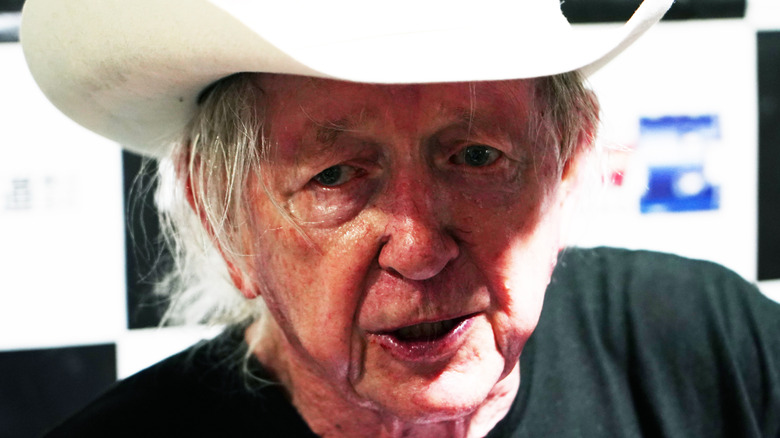
A member of wrestling's famous Funk family, Dory Funk Jr. followed in the footsteps of his father by entering the wrestling industry in the 1960s, just after he'd finished college. By the 70s, he'd become one of the most recognizable names in the industry, spending years as the NWA World Heavyweight Champion. In addition to his singles pursuits, Dory had a renowned tag team with his brother, Terry Funk, who passed away in 2023.
A father of five and a grandfather, Funk has been married to his current wife since 1989 and went on to open his own wrestling training school in Florida, known as the Funking Conservatory. Before that, Funk trained Kurt Angle to help him prepare for the 10-year WWE contract he signed in the late 1990s, as well as other stars such as Edge (Adam Copeland), Christian Cage, and the Hardy brothers, among others.
On top of that, Funk may well hold the record for the longest active pro wrestling career. He went on to wrestle his final match in 2024 at the age of 83, teaming with Osamu Nishimura against Atsushi Onita and Raijin Yaguchi in a Double Hell Current Explosion Death Match.
Abdullah the Butcher
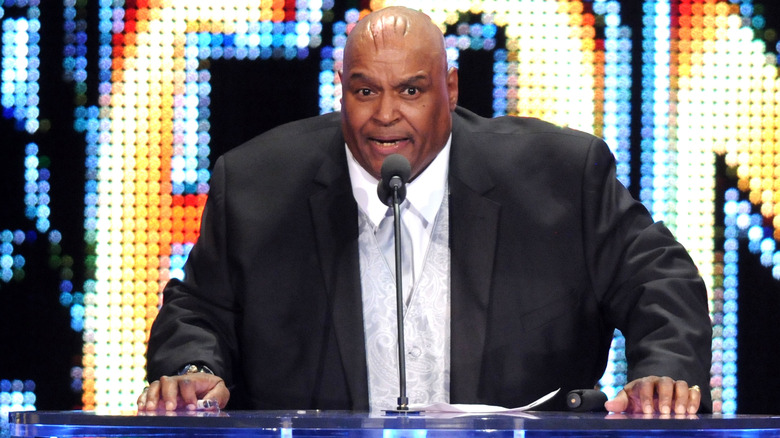
The wrestling career of Abdullah the Butcher (real name Lawrence Shreve) began in the 1950s, and by the time the '70s rolled around, he was one of the most feared villains in the business. Despite hailing from Windsor, Ontario, Canada, Abdullah was portrayed as a terrifying foreigner – an angle that was quite common for the era.
Throughout the decade, Abdullah wrestled countless matches for the NWA in North America and AJPW in Japan. For various reasons, including the fact that he was in high demand across so many promotions, Abdullah never captured a world championship. Still, he became a recognizable figure to wrestling fans and had rivalries with the likes of Terry Funk, Giant Baba, and more.
Abdullah wrestled his final match in 2010 against former WWE and AJPW star Bull Buchanan, and he entered the WWE Hall of Fame the following year. Today, Abdullah bears prominent scars on his forehead, highlighting the toll that the industry had on his body. As of writing, Shreve is 84 years old and has been dealing with some severe health issues, with a public fundraiser set up to help cover his medical costs.
Baron von Raschke
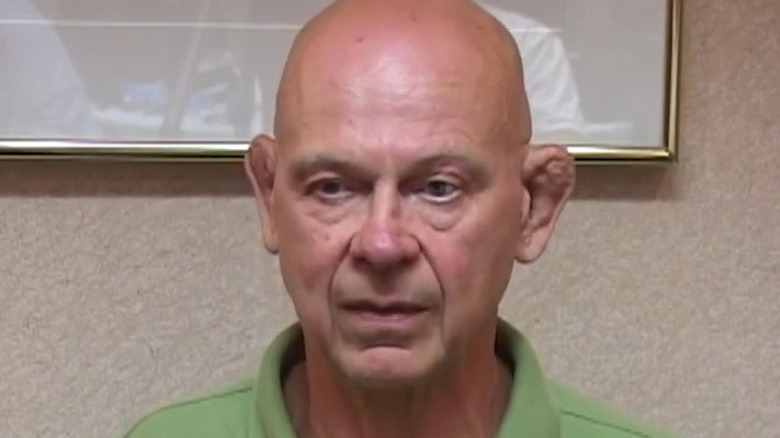
Another prominent 1970s heel was Baron von Raschke, who also got his start in the AWA. With an iconic look and his finisher, known as The Claw, von Raschke was used all across the United States, including in Vince McMahon Sr.'s WWWF.
In the early 1970s, von Raschke captured Indianapolis promotion WWA's World Heavyweight Championship three separate times, holding it for a combined total of 1,004 days. Additionally, he found success as both a singles and tag team star in various NWA promotions, later becoming NWA World Tag Team Champion several times with Greg Valentine and Paul Jones.
Von Raschke's wrestling career has since served as the basis for both a stage play and a film, appropriately titled "The Claw." Outside of pro wrestling, he previously served as a teacher and owned his own shop. Now fully retired, he still maintains a connection to the industry with occasional interviews and appearances. In 2021, he made a memorable AEW cameo in which he delivered The Claw to Ethan Page.
Mil Máscaras
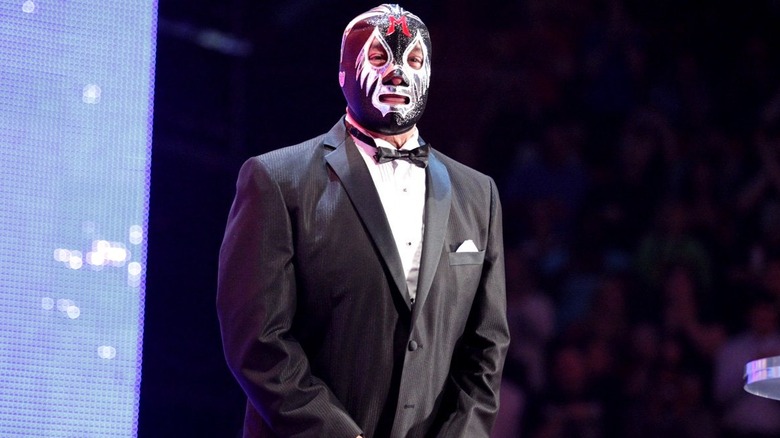
One of the most popular luchadores of all time, Mil Máscaras became an international star in the 1970s, garnering acclaim for his work in Mexico, Japan, and the United States. In a break from tradition, the senior McMahon was evidently a fan of Máscaras, as he ended a prior rule of not allowing masked wrestlers in his promotion. Máscaras went on to feud with "Superstar" Billy Graham over the company's top title, though he was not victorious.
Though he wasn't as decorated with titles as many other top stars at his level, Máscaras maintained a level of popularity that the vast majority of pro wrestlers would've envied. He was chosen by Pro Wrestling Illustrated as the most popular wrestler of 1975, and Máscaras simultaneously enjoyed a successful acting career in Mexico.
While he was undeniably a fan favorite, Máscaras developed a mixed reputation among his fellow wrestlers over the years, with many of his opponents claiming that he was hesitant to sell for them. Nonetheless, his legacy cannot be denied. Máscaras was inducted into the WWE Hall of Fame in 2012, but his wrestling career continued all the way into his late 70s, with his retirement match taking place in 2019.